
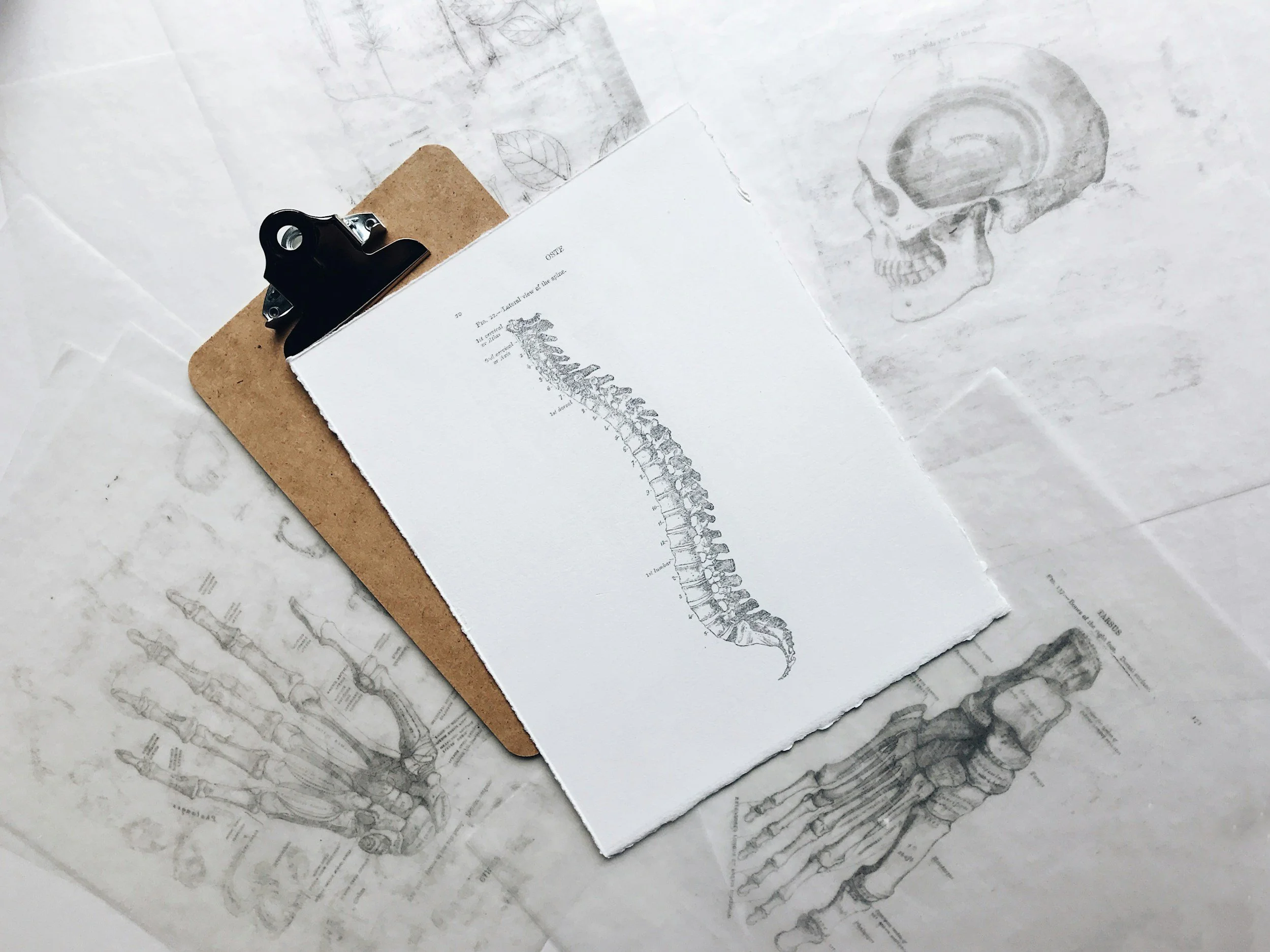
Procedure Builder
A comprehensive digital framework that builds, organizes, and presents every aspect of a medical or surgical procedure—from diagnosis through recovery—into an interactive, customizable experience for patients, families, healthcare professionals, hospitals, and industry partners.
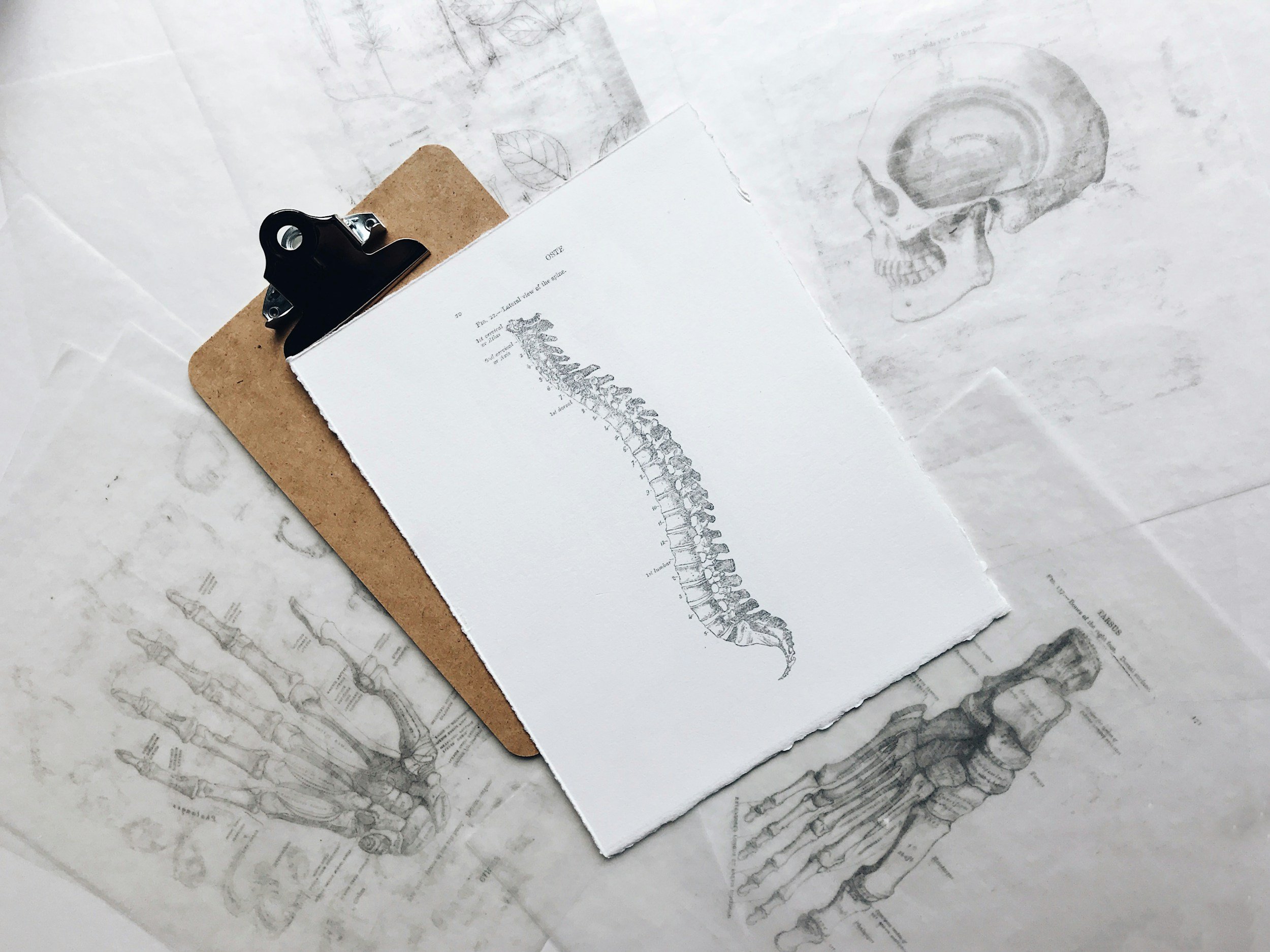
A Procedure Builder is a structured platform that creates a complete, standardized representation of a medical procedure by organizing all of the information, people, technologies, and workflows involved in performing it.
A Procedure Builder is a structured platform that creates a complete, standardized representation of a medical procedure by organizing all of the information, people, technologies, and workflows involved in performing it.
For a platform like Let's Do Surgery (LDS), the Procedure Builder would be the engine that assembles every component of a procedure into one interactive experience tailored to the user.
Definition
Procedure Builder
A comprehensive digital framework that builds, organizes, and presents every aspect of a medical or surgical procedure—from diagnosis through recovery—into an interactive, customizable experience for patients, families, healthcare professionals, hospitals, and industry partners.
What a Procedure Builder Includes
A Procedure Builder can assemble information into modules such as:
Procedure Overview
What the procedure is
Why it is performed
Goals of treatment
Patient Selection
Indications
Contraindications
Alternative treatments
Anatomy
Relevant organs
Blood supply
Nerves
Surrounding structures
Disease Process
What is wrong
How the disease develops
Why surgery is recommended
Preoperative Preparation
Testing
Imaging
Laboratory work
Medications
Patient instructions
Procedure Workflow
Step-by-step surgical process
What the surgeon is accomplishing at each stage
Open, laparoscopic, robotic, endoscopic, or other approaches
Equipment Builder
Instruments
Energy devices
Imaging systems
Surgical robots
Navigation systems
Supply Builder
Drapes
Sutures
Staplers
Clips
Mesh
Implants
Disposable supplies
Medication Builder
Antibiotics
Anesthesia
Local anesthetics
Pain medications
Anticoagulants
Safety Builder
Surgical safety checklist
Critical views
Time-out
Common complications
Prevention strategies
Recovery Builder
Recovery timeline
Activity restrictions
Diet
Pain management
Follow-up care
Outcome Builder
Expected results
Risks
Success rates
Long-term outcomes
Education Builder
Animations
3D anatomy
Voice-guided explanations
FAQs
Interactive learning
Different Views for Different Users
The same Procedure Builder can present information differently depending on the audience:
UserFocusPatientSimple explanations, recovery, risks, expectationsFamilyCaregiving, timeline, communicationSurgeonClinical workflow, techniques, evidenceSurgical TeamInstruments, setup, workflowHospitalResources, efficiency, quality metricsIndustryDevices, implants, technologies, training
Why It Matters
A Procedure Builder transforms complex surgical information into a consistent, reusable, and interactive resource. Instead of relying on disconnected documents, videos, and reference materials, it creates a single source of truth that supports education, planning, communication, and decision-making throughout the patient's surgical journey.
For Let's Do Surgery, the Procedure Builder could serve as the core content engine behind every procedure module. A user selects a procedure—such as a cholecystectomy, total knee replacement, or CABG—and the Builder automatically generates a complete, audience-specific experience using the platform's Intelligence, Direction, and Connection framework.
-
Flexible, expert advice when you need it. Book hourly support across a range of topics—from planning to problem-solving. This focused consultation will help clarify your goals, map out next steps, and identify opportunities for growth.
-
Flexible, expert advice when you need it. Book hourly support across a range of topics—from planning to problem-solving. This focused consultation will help clarify your goals, map out next steps, and identify opportunities for growth.
-
Flexible, expert advice when you need it. Book hourly support across a range of topics—from planning to problem-solving. This focused consultation will help clarify your goals, map out next steps, and identify opportunities for growth.
-
Flexible, expert advice when you need it. Book hourly support across a range of topics—from planning to problem-solving. This focused consultation will help clarify your goals, map out next steps, and identify opportunities for growth.