
Procedures
A procedure is a structured, step-by-step medical process performed by a healthcare professional to diagnose, treat, or manage a condition.
Let’s break it down in a way that fits your LDS (Let’s Do Surgery) Patient Intelligence model — simple, visual, and trust-building.
Procedures
-
An appendectomy is the surgical removal of the appendix, most often performed to treat acute appendicitis, a condition where the appendix becomes inflamed and infected. If untreated, it may rupture and cause serious infection in the abdomen.
-
Bariatric surgery is a group of operations that help people lose weight by changing how the stomach and sometimes the intestines work. It’s usually recommended for people with severe obesity when diet, exercise, and medications have not been enough.
-
A Cesarean Section (C-Section) is a surgical procedure used to deliver a baby through incisions made in the mother’s abdomen and uterus, rather than through vaginal birth.
-
CABG stands for Coronary Artery Bypass Grafting. It is a type of open-heart surgery used to improve blood flow to the heart when the coronary arteries are blocked or severely narrowed.
-
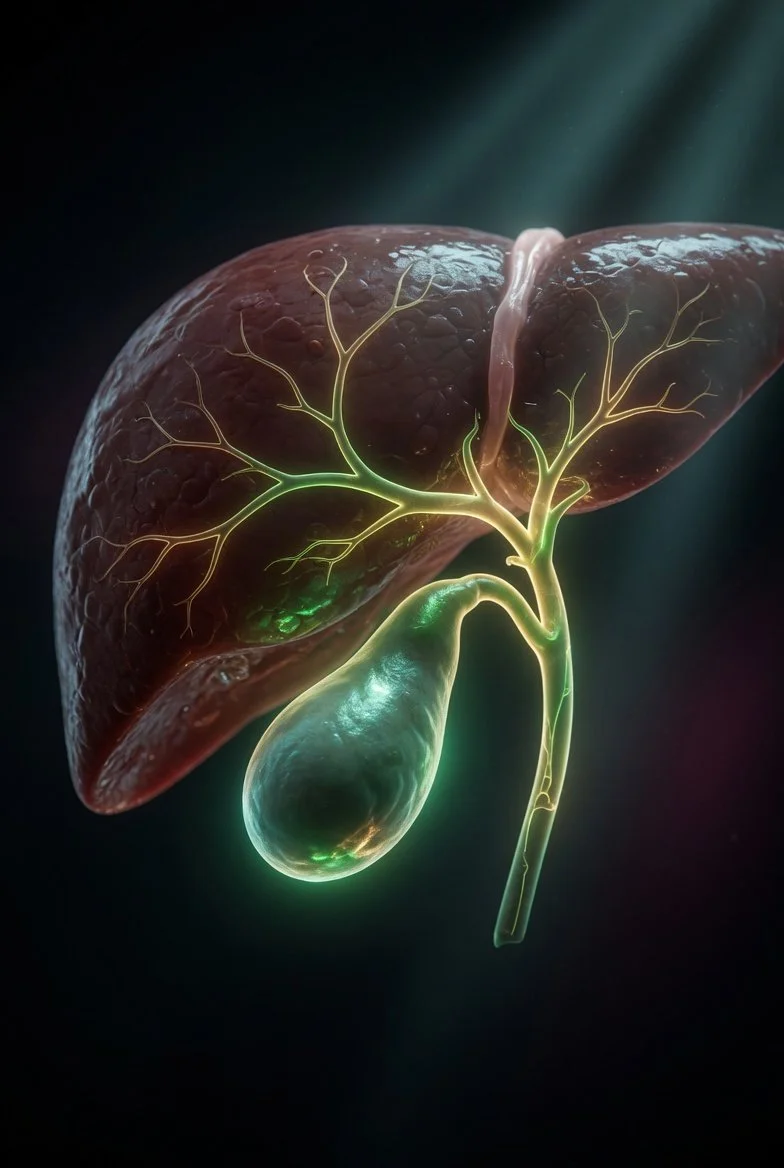
A cholecystectomy is the surgical removal of the gallbladder, most commonly done laparoscopically for symptomatic gallstones, cholecystitis, or related biliary disease. Laparoscopic surgery is the usual approach, while open surgery may be needed in more difficult or converted cases. Safe identification of the cystic duct and cystic artery using the Critical View of Safety is a core principle in modern cholecystectomy.
-
EVAR (Endovascular Aneurysm Repair) is a minimally invasive procedure used to repair an abdominal aortic aneurysm (AAA) — a dangerous ballooning or weakening of the body's main artery, the aorta.
Instead of making a large abdominal incision like traditional open surgery, EVAR is performed from inside the blood vessel using catheters, guidewires, and a fabric-covered metal stent graft delivered through arteries in the groin.
-
Hernia Repair is a surgical procedure used to fix a hernia, which occurs when an organ, fatty tissue, or part of the intestine pushes through a weak area or opening in the muscle or connective tissue (fascia).
The goal of hernia repair is to:
Return the protruding tissue to its normal position
Repair or strengthen the weakened abdominal wall or tissue
Reduce pain or discomfort
Prevent complications such as incarceration or strangulation
-
Percutaneous Coronary Intervention | Angioplasty + Stent
PCI is a catheter-based procedure used to open narrowed or blocked coronary arteries, often with balloon angioplasty and stent placement. Patient-centered decision-making is emphasized in coronary revascularization guidance, including considering the patient’s goals, preferences, support system, and health literacy.
-
Spine Fusion (Spinal Fusion)
Spine Fusion (also called Spinal Fusion) is a surgical procedure used to permanently join two or more vertebrae (bones of the spine) so they heal into one solid bone.
The goal is to stabilize the spine, reduce painful motion, and protect nerves or the spinal cord.
-
Total Hip Replacement (Total Hip Arthroplasty – THA) Definition
Total Hip Replacement (THA) is a surgical procedure in which a damaged or worn-out hip joint is removed and replaced with artificial components (prosthetic implants) to relieve pain, restore movement, and improve quality of life.
-
Total Knee Replacement (Total Knee Arthroplasty, TKA) — Definition
Total Knee Replacement (TKR), also called Total Knee Arthroplasty (TKA), is a surgical procedure where a damaged or worn-out knee joint is replaced with artificial components designed to restore movement, stability, alignment, and pain relief.
🧠 What Is a Procedure?
A procedure is any planned medical action that involves:
A clear goal (fix, remove, repair, diagnose)
A defined sequence of steps
The use of specific tools, equipment, and medications
A controlled environment (clinic, procedure room, or operating room)
👉 It can be:
Non-invasive (no incision)
Minimally invasive (small incisions, scopes, robotics)
Open surgery (larger incision, direct access)
-
A cholecystectomy is the surgical removal of the gallbladder, a small organ located under the liver that stores bile. This procedure is commonly performed to treat gallstones, inflammation, infection, or other gallbladder-related conditions, such as cholecystitis.